-

Advancing Hypertension Care with RPM for Better Outcomes and Savings
Remote Patient Monitoring (RPM) is increasingly recognized as an essential tool in modern healthcare, particularly in managing chronic diseases such as hypertension. The ability to collect real-time health data from patients—such as blood pressure readings—provides healthcare providers with actionable insights, enabling early intervention and better disease management. This approach not only improves clinical outcomes but…
-
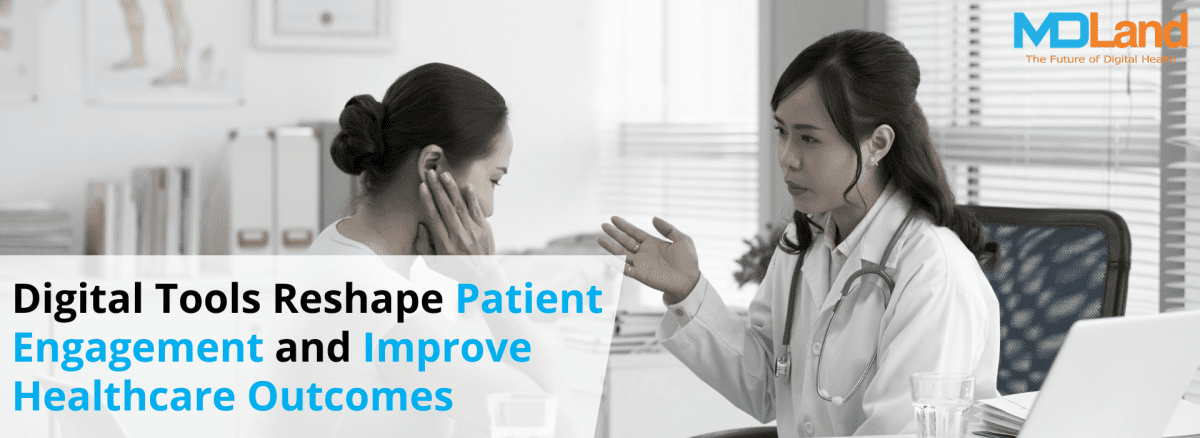
Digital Tools Reshape Patient Engagement and Improve Healthcare Outcomes
The role of patient engagement in healthcare is undergoing a transformation, with digital tools playing a key role in shaping the future of care delivery. As highlighted by Becker’s Hospital Review, healthcare leaders are now focusing on innovative technologies such as digital front doors, remote patient monitoring, and data-driven insights to enhance patient engagement across the…
-

Telehealth and AI: Advancing Value-Based Care for Better Outcomes
The transition from fee-for-service (FFS) to value-based care (VBC) is fundamentally transforming healthcare by shifting the focus to patient outcomes rather than the volume of services provided. This movement is gaining momentum, driven by advancements in telehealth and AI technologies that support more personalized, efficient, and cost-effective care. In 2024, several trends are poised to further accelerate…
-

Understanding Physician Burnout: A Growing Concern in Healthcare
Physician burnout is a growing crisis that poses a significant threat to the well-being of healthcare providers. This directly affects the quality of patient care. Defined by emotional exhaustion, depersonalization, and a reduced sense of personal accomplishment, physician burnout has become a pressing issue in modern healthcare. Burnout has long been a concern, and the…
-
Addressing EHR Challenges: Innovations in Data Integration and Cybersecurity
Physicians, particularly in primary care and certain specialties, spend an excessive amount of time managing EHRs. On average, 5.8 hours are dedicated daily to electronic documentation and coding. This leads to reduced patient interaction and increased burnout. The complex and user-unfriendly nature of many EHR systems is a major contributor to this problem. There is a…
-

U.S. Healthcare Crisis: Costs, Pediatric Gaps, and Systemic Failures
The American healthcare system is facing an escalating crisis. Costs are rising, while accessibility issues deeply affect patients across the country. Recent reports underscore these concerns. They highlight the financial burden on families, growing challenges in pediatric care, and how the U.S. lags behind other developed nations in key health outcomes. One of the primary…
-
Accelerating Digital Health and AI in Healthcare: Legislative and Workforce Developments
Recent global trends underscore the urgent need for comprehensive legislation in digital health and addressing workforce gaps in AI-driven healthcare. The Illinois Institute of Technology addresses the artificial intelligence (AI) workforce gap, preparing students for critical roles in the evolving healthcare landscape. These initiatives reflect a global push to integrate advanced technologies into healthcare systems, emphasizing robust…
-

Enhancing Patient Engagement in ACOs: Key Strategies and Trends
A recent report by the Health Care Transformation Task Force (HCTTF) and the National Association of ACOs (NAACOS) emphasizes the importance of improving patient engagement for the success of Accountable Care Organizations (ACOs). The report outlines several strategies to achieve this, including enhancing communication, redesigning benefit structures, and increasing patient input in governance. Effective patient engagement is seen…
-

Health Centers Navigate Record Patient Volumes
The U.S. healthcare system is witnessing unprecedented patient engagement, driven by efforts to broaden access and improve population health. Recent data from the CDC highlights that federally funded health centers served a record number of patients, underscoring the impact of expanding healthcare infrastructure. This surge in demand presents both opportunities and challenges for healthcare providers. As the…
-

Navigating the Overwhelming Surge in Electronic Health Records: A Call for AI Integration
In a study by the University of Wisconsin School of Medicine and Public Health, researchers highlight a 30-fold increase in the volume of electronic medical notes per patient in emergency medicine over the past 17 years. This exponential growth has transformed the process of reviewing patient records, known as a “chart biopsy,” into an overwhelming task…

Recent Posts
- MDLand Enhances Colorectal Cancer Screening with Cologuard® Integration in iClinic® EHR

- MDLand Launches iClinic® Scribe, an Ambient AI Solution for Clinical Documentation

- MDLand Introduces Advanced Chart Retrieval Functionality in iClinic®

- Understanding CCM: Why It’s Vital for Modern Healthcare

- MDLand Unveils iPopHealth Enhancements to Propel Value-Based Care Innovation

Recent Posts
#ClinicalExcellence #ContinuousLearning #HealthcareInnovation #HealthcareLeadership #HealthcareProfessionals #MedicalEducation #ProfessionalDevelopment #TeamworkInHealthcare #WorkLifeBalance Administrative Burden AI ambient ai Behavioral Health Care Coodination Care Gaps Chronic Conditions clinical documentation Cologuard Colorectal Care Digital Health EHR Event healthcare Health Equity HRSN Mental Health Support New Product Patient Care Patient Centered Medical Home (PCMH) Patient Empowerment Patient Engagement Physician Burnout Population Health Population Health Management Preventive Care professional Development reduce burnout SDOH Social Care Networks (SCN) Support Networks Telehealth Value-Based Care Value-Based Care (VBC) Value Based Payment Work-Life Balance