-

Population Health Drives the Future of Healthcare
In today’s rapidly evolving healthcare landscape, the focus on Population Health has become a central priority for healthcare organizations, health departments, policymakers, and providers. As healthcare shifts towards value-based care (VBC), population health approaches emphasize improving the health outcomes of entire groups by addressing both clinical and non-clinical factors that impact well-being, including social determinants…
-

Advancing Hypertension Care with RPM for Better Outcomes and Savings
Remote Patient Monitoring (RPM) is increasingly recognized as an essential tool in modern healthcare, particularly in managing chronic diseases such as hypertension. The ability to collect real-time health data from patients—such as blood pressure readings—provides healthcare providers with actionable insights, enabling early intervention and better disease management. This approach not only improves clinical outcomes but…
-

Mental Health Awareness: Breaking the Stigma
Mental health awareness is an essential part of promoting well-being and ensuring that individuals receive the care they need. However, stigma remains one of the most significant barriers to seeking mental health care, often discouraging patients from addressing mental health challenges. As healthcare providers, addressing the mental illness stigma through education and advocacy is crucial…
-
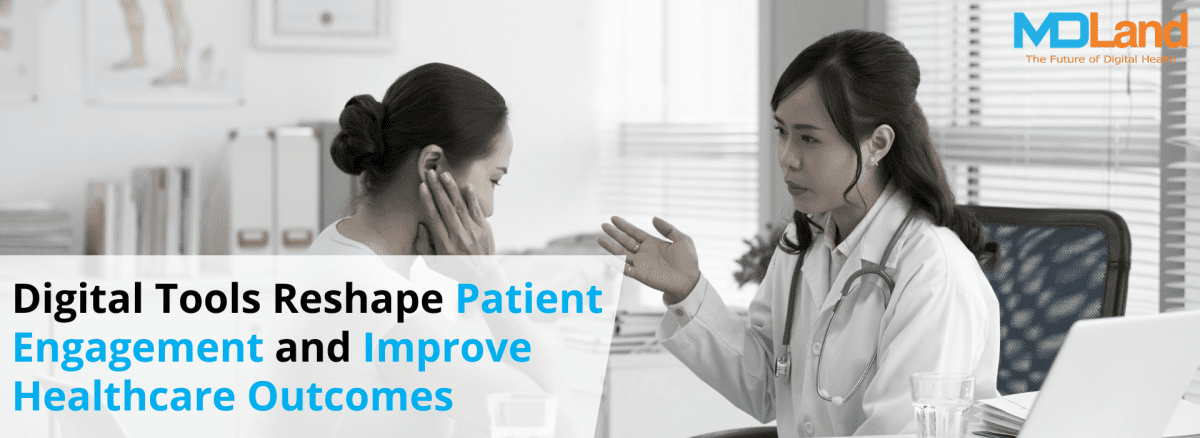
Digital Tools Reshape Patient Engagement and Improve Healthcare Outcomes
The role of patient engagement in healthcare is undergoing a transformation, with digital tools playing a key role in shaping the future of care delivery. As highlighted by Becker’s Hospital Review, healthcare leaders are now focusing on innovative technologies such as digital front doors, remote patient monitoring, and data-driven insights to enhance patient engagement across the…
-

Telehealth and AI: Advancing Value-Based Care for Better Outcomes
The transition from fee-for-service (FFS) to value-based care (VBC) is fundamentally transforming healthcare by shifting the focus to patient outcomes rather than the volume of services provided. This movement is gaining momentum, driven by advancements in telehealth and AI technologies that support more personalized, efficient, and cost-effective care. In 2024, several trends are poised to further accelerate…
-

Revolutionizing Healthcare with AI, Behavioral Health, and Patient-Centered Coordination
The U.S. healthcare system is currently undergoing a paradigm shift, moving from the traditional fee-for-service (FFS) model toward value-based care (VBC). In this evolving framework, the goal is not merely to provide a high volume of services but to improve patient outcomes while controlling costs. Value-based care seeks to reward healthcare providers, including those in…
-

How Patient-Centered Care Boosts Patient Satisfaction
The healthcare landscape is undergoing a transformation. The days when doctors made all the decisions while patients played a passive role are long gone. Today, patient-centered care (PCC) is the new gold standard, focusing on collaboration between healthcare providers and patients. This approach is not just about treating diseases anymore but about treating people, prioritizing…
-

Understanding Physician Burnout: A Growing Concern in Healthcare
Physician burnout is a growing crisis that poses a significant threat to the well-being of healthcare providers. This directly affects the quality of patient care. Defined by emotional exhaustion, depersonalization, and a reduced sense of personal accomplishment, physician burnout has become a pressing issue in modern healthcare. Burnout has long been a concern, and the…
-

Tech’s Role in Chronic Disease for Better Patient Care
Chronic disease management is a critical component of healthcare, addressing long-term conditions such as diabetes, hypertension, and heart disease. These conditions often require ongoing care and monitoring, making technological advancements essential in transforming chronic condition management (CCM). Innovations such as remote patient monitoring (RPM), healthcare information management systems, and advanced medical technology are revolutionizing how…
-

Addressing EHR Challenges: Innovations in Data Integration and Cybersecurity
Physicians, particularly in primary care and certain specialties, spend an excessive amount of time managing EHRs. On average, 5.8 hours are dedicated daily to electronic documentation and coding. This leads to reduced patient interaction and increased burnout. The complex and user-unfriendly nature of many EHR systems is a major contributor to this problem. There is a…

Recent Posts
- MDLand Enhances Colorectal Cancer Screening with Cologuard® Integration in iClinic® EHR

- MDLand Launches iClinic® Scribe, an Ambient AI Solution for Clinical Documentation

- MDLand Introduces Advanced Chart Retrieval Functionality in iClinic®

- Understanding CCM: Why It’s Vital for Modern Healthcare

- MDLand Unveils iPopHealth Enhancements to Propel Value-Based Care Innovation

Recent Posts
#ClinicalExcellence #ContinuousLearning #HealthcareInnovation #HealthcareLeadership #HealthcareProfessionals #MedicalEducation #ProfessionalDevelopment #TeamworkInHealthcare #WorkLifeBalance Administrative Burden AI ambient ai Behavioral Health Care Coodination Care Gaps Chronic Conditions clinical documentation Cologuard Colorectal Care Digital Health EHR Event healthcare Health Equity HRSN Mental Health Support New Product Patient Care Patient Centered Medical Home (PCMH) Patient Empowerment Patient Engagement Physician Burnout Population Health Population Health Management Preventive Care professional Development reduce burnout SDOH Social Care Networks (SCN) Support Networks Telehealth Value-Based Care Value-Based Care (VBC) Value Based Payment Work-Life Balance